Discover Padova
A compact university city where eight centuries of science, art and music meet everyday Italian life.
Padova is a lively city of about 210,000 people, with more than 70,000 university students. Its arcaded streets, market squares and frescoed churches are easy to explore on foot, and Venice is just a short train ride away.
A city of science
Founded in 1222, the University of Padova is one of the oldest in the world, and its history is closely tied to the rise of modern science.
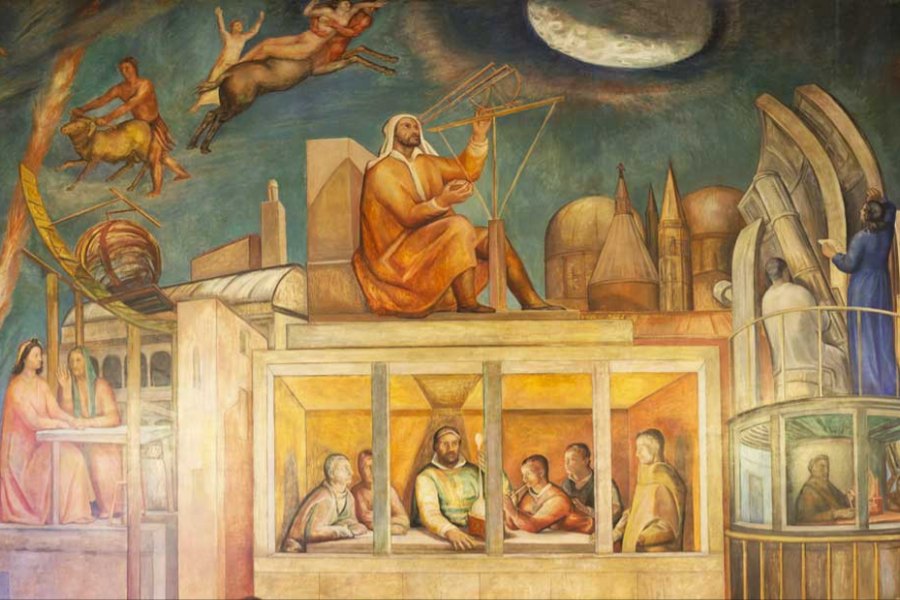
Ferruccio Ferrazzi, “Galileo Galilei”. Photo: © University of PadovaGalileo in Padova
Galileo Galilei held the chair of mathematics at the University of Padova from 1592 to 1610.
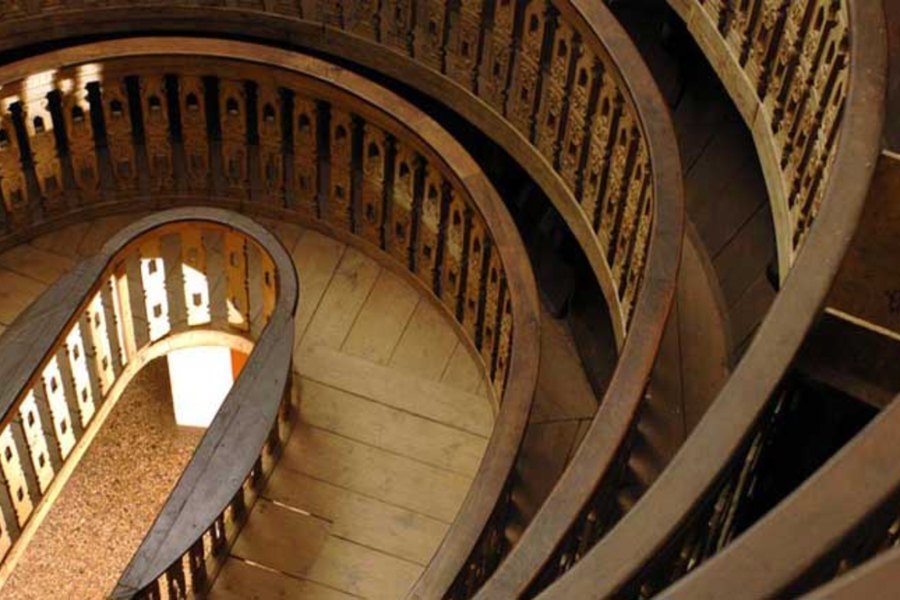
Photo: © University of PadovaPalazzo Bo
The university’s historic seat houses the anatomical theatre of 1595, the oldest permanent one in the world.
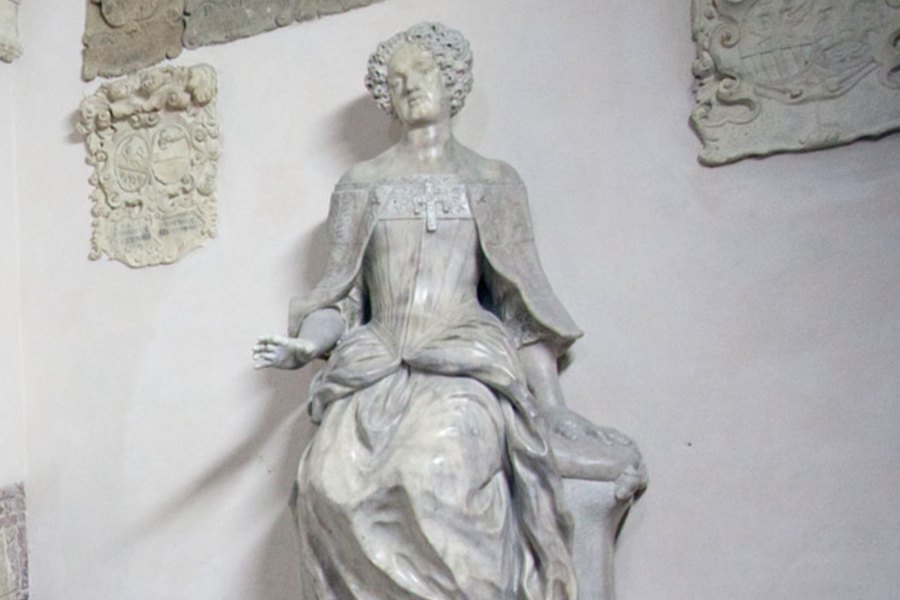
Statue at Palazzo Bo. Photo: © University of PadovaElena Cornaro Piscopia
In 1678 she received her degree in Padova, and is recognised as the first woman to be awarded a doctorate.
From the sounds of the past
Padova has its own place in the history of acoustics. Bartolomeo Cristofori, the inventor of the piano, was born in Padua in 1655. He introduced a system of hammers to replace the plectra of the harpsichord, making it possible to vary the intensity of the sound. Violinist and composer Giuseppe Tartini became Maestro di Cappella at the Basilica of Saint Anthony in 1721 and opened his violin school in the city in 1726. He is remembered for describing the “third tone”, the combination tone heard when two notes are played together, now known as the Tartini tone.
Nearly three centuries later, INTER-NOISE 2027 brings the acoustics community back to the city under the theme From the Noises of the Past to the Sounds of the Future.
Two UNESCO World Heritage sites
Padua Urbs Picta
Inscribed in 2021, this site brings together eight religious and secular complexes with 14th-century frescoes. Its masterpiece is Giotto’s cycle in the Scrovegni Chapel.
Botanical Garden
Created in 1545 and inscribed in 1997, the Orto Botanico is the world’s oldest university botanical garden still in its original location. It remains a centre for research and a green refuge in the heart of the city.
Plan ahead. Visits to the Scrovegni Chapel last about 15 minutes, with up to 25 people at a time, and same-day booking is not possible. Book as soon as you know your dates. Some Urbs Picta sites are closed on Mondays.
The Urbs Picta Card gives access to all eight sites and to public transport, for 48 or 72 hours.
Must-see places

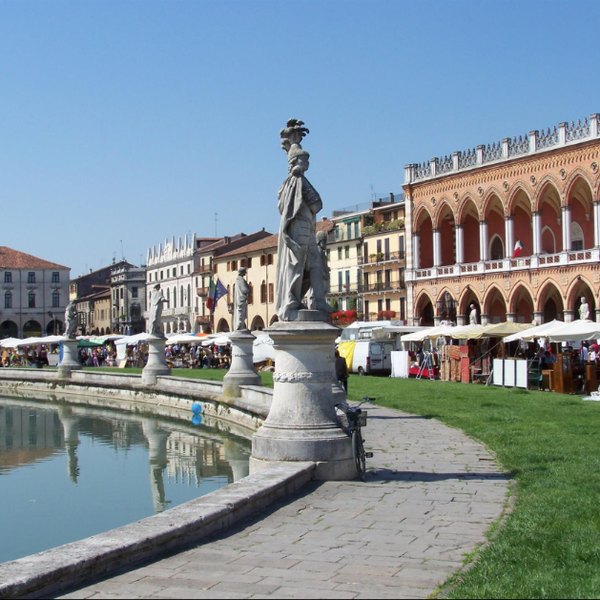
Prato della Valle
An elliptical square of 90,000 square metres, the second largest in Italy, with a canal lined by 78 statues.
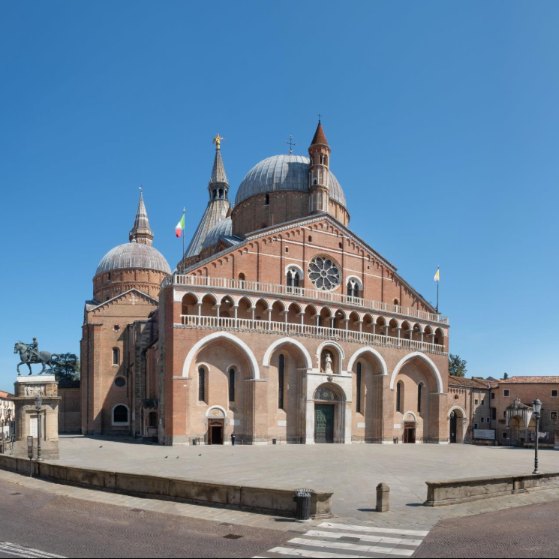
Basilica of Saint Anthony
Known simply as “il Santo”, it is a major pilgrimage site with domes that define the city’s skyline.
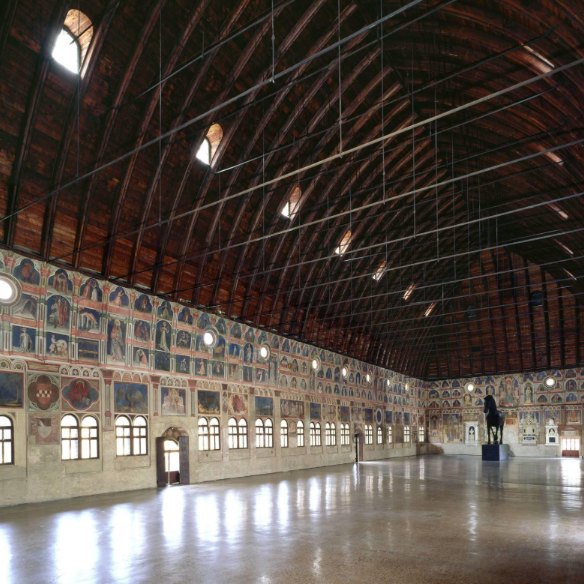
Palazzo della Ragione
The medieval hall of justice, with a vast frescoed interior above the market stalls.
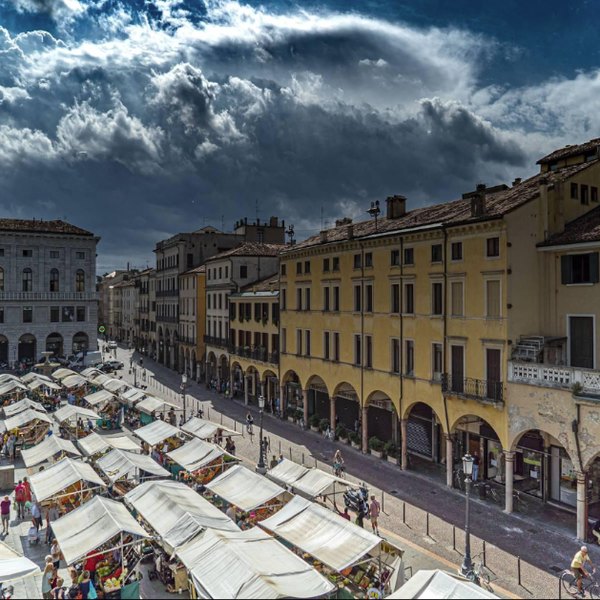
Piazza delle Erbe and Piazza della Frutta
The twin market squares are the daily heart of the city and its favourite spot for an aperitivo.
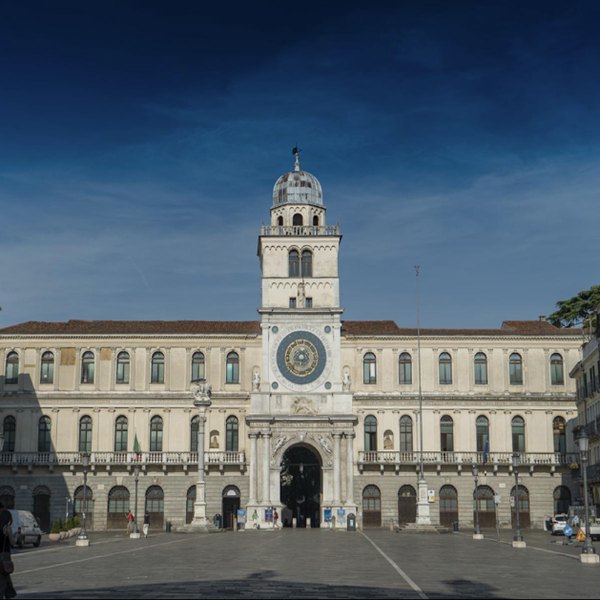
Piazza dei Signori
An elegant square overlooked by the astronomical clock tower.
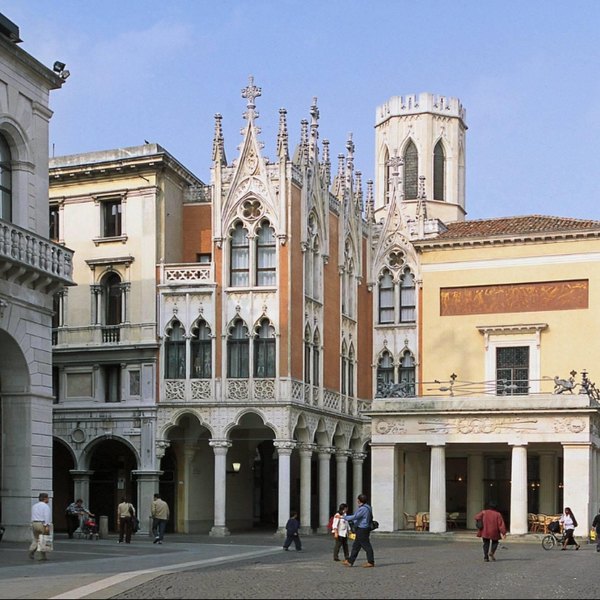
Caffè Pedrocchi
A historic café and meeting place of students and intellectuals since 1831.
Photos: © Turismo Padova
Taste of Padova
Try bigoli pasta, Venetian-style risotto and wines from the nearby Euganean Hills. Before dinner, join the locals for a spritz under the arcades.
Stay longer in Veneto
Explore Venice, Vicenza, Verona and the hills around Padova before or after the congress.
See tourism ideas